-
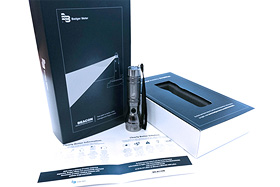 Badger Meter Beacon Product Launch Wins 2014 Marcom Gold AwardBadger Meter
 -
 NBF Tests Content Marketing in Healthcare NicheNational Business Furniture
 -
 Proactive Trade Media Relations Reap ResultsBadger Meter
 -
 Dimensional Mail Creates Buzz that Quickly Generates Impressive SalesSaco Polymers
 -
 A Focused Approach to Fund-RaisingWisconsin Veterans Foundation
 -
 Connecting With Demographic InsightsClement Manor
 -
 A New Brand LookEaster Seals of Southeast Wisconsin
 -
 B2B Advertising CampaignRestaurant.com
 -
 Website Strategy, Design & DevelopmentKenall Manufacturing
 -
 Ongoing Email Marketing ProgramVeterans of Foreign Wars
 -
 Ongoing Social Media MarketingVeterans of Foreign Wars
 -
 New Market Launch & Ongoing Integrated CampaignVeterans of Foreign Wars
 -
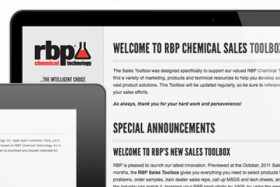 Custom-developed Field Sales ToolRBP Chemical
 -
 Direct Marketing CampaignProAssurance
 -
 Trade Advertising CampaignKleen Test Products
 -
 Market Expansion CampaignMilwaukee Water Works
 -
 Integrated Campaign For Voluntary InsuranceDelta Dental of Wisconsin
 -
 New Market LaunchWEA Trust
 -
 Sterling Health PlansSterling
 -
 Over 65 Switcher ProgramBlue Cross and Blue Shield of Kansas
 -
 New Market PR LaunchCooper’s Hawk Winery & Restaurant
 -
 Corporate Website Strategy, Design & DevelopmentKleen Test Products
 -
 Aging Into 65 – Birthday Program PackageBlue Cross and Blue Shield of Kansas
 -
 Flash Replacement SolutionMilwaukee Electric Tool
 -
 Public Relations Product LaunchBadger Meter
 -
 Aging into 65 & Over 65 ProgramsBlue Cross and Blue Shield of North Dakota
 -
 Measurable Marketing & Creative ServicesInternational Masters Publishers
 -
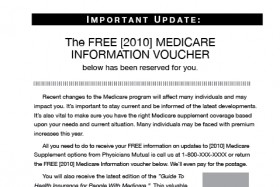 Physicians Mutual Direct MailPhysicians Mutual
 -
 Trade Show DisplayKleen Test Products
 -
 Digital Strategy & Interactive DesignMilwaukee Electric Tool
 -
 New Identity & Creative ApproachFlorentine Opera Company
 -
 Individual Insurance Microsite Strategy & CreativeDelta Dental of Wisconsin
 -
 Trade Show SupportSuper Products
 -
 Trade Advertising CampaignSuper Products